
Free Educational Webinar
Beyond October: Mental Health and Life After Breast Cancer
October 28, 2026 from 12:00-1:00 PM EST

What to Expect
Finishing breast cancer treatment or prophylactic surgery is supposed to feel like a relief… And yet, for so many people, that’s when they start to feel worse.
After months of appointments, decisions, and simply getting through what comes next, many people are surprised by survivorship's emotional impact, the challenge of returning to everyday life and routines, and the expectation that things should just go “back to normal.”
For survivors and previvors alike, navigating cancer and cancer risk can leave a lasting mark long after treatment, surgery, screening, and/or a major decision is over, even if that experience isn’t always named out loud.
Join Laura Schneebaum, a licensed psychotherapist, for a trauma-informed conversation about what happens after the immediate crisis or decision-making period. Together, we'll explore moving out of survival mode, processing what we've been through, and adjusting to changes in our bodies, relationships, routines, and identities.
Laura will also share practical ways to support your mental health, find connection without becoming overwhelmed, and navigate complicated emotions and advocacy fatigue.
The webinar will conclude with a Q&A, giving you an opportunity to ask Laura any questions.
Key Takeaways
✺
Move out of survival mode and process cancer and cancer risk through a trauma-informed lens
✺
Navigate changes in identity, relationships, routines, and your sense of “normal”
✺
Support your mental health and find connection without becoming overwhelmed
✺
Manage advocacy fatigue, and better understand when to engage or step back
✺
Understand the emotional impact that can emerge after treatment or prophylactic surgery
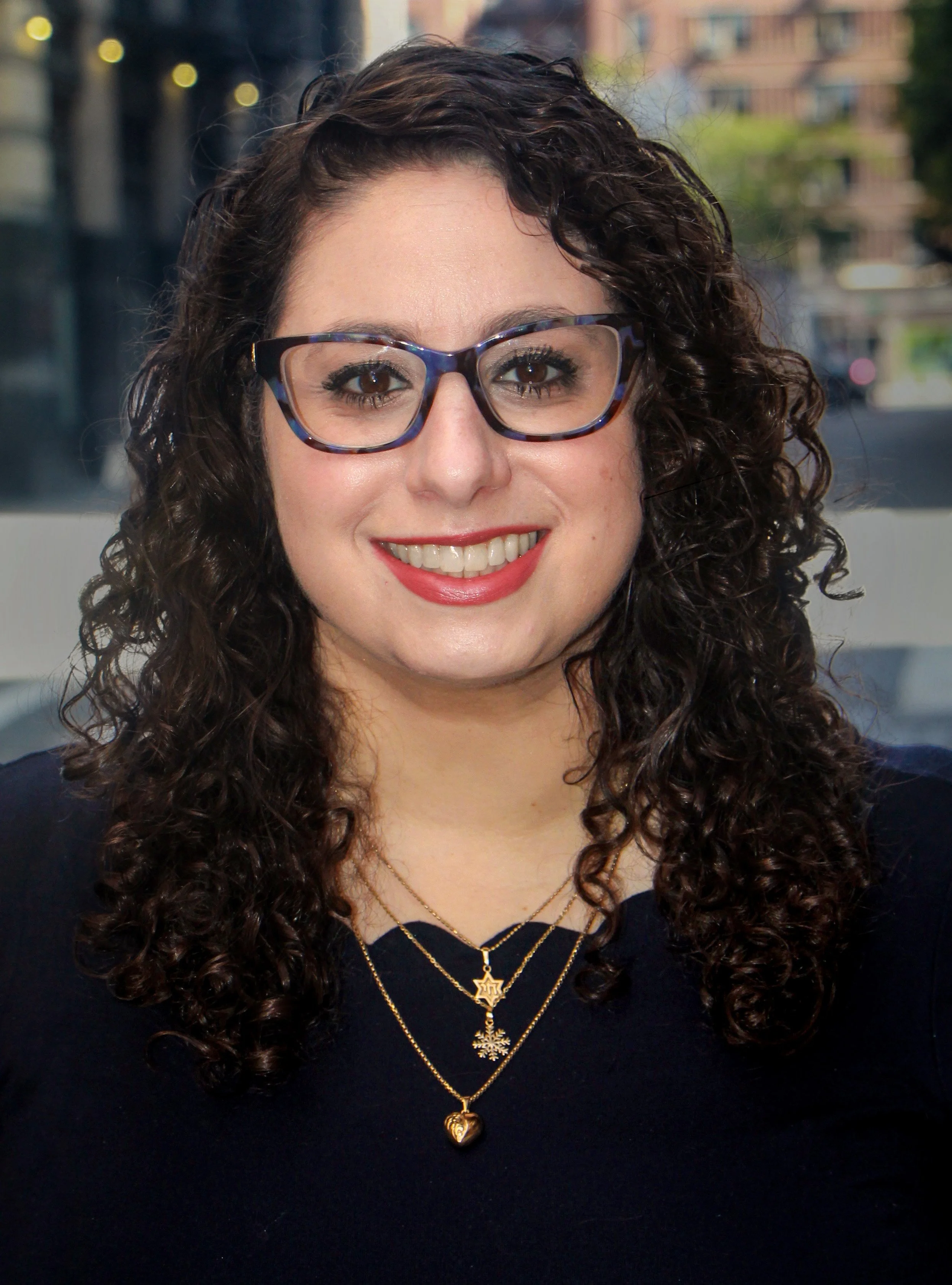
About the Speaker
Laura Schneebaum, LMHC-D, LPC, NCC, is a licensed psychotherapist and founder of Schneebaum Mental Health Counseling, PLLC (Healing in Strides Therapy). She specializes in trauma, grief, anxiety, women’s health, and the emotional impact of cancer and hereditary cancer risk.
Laura has a particular interest in supporting individuals navigating cancer survivorship and those living with an increased hereditary cancer risk, including BRCA and Lynch syndrome. She also writes and speaks about the emotional impact of hereditary cancer, including experiences related to screening, decision-making, survivorship, and living with ongoing uncertainty.
In addition to her clinical work, Laura is an adjunct professor at NYU and provides clinical supervision to emerging mental health professionals. Her work is grounded in a trauma-informed, relational approach that emphasizes self-compassion, connection, and helping people feel seen and supported as they navigate difficult experiences.