
Patient Advocacy Program
Turning Lived Experience Into Real Change.
Our Patient Advocacy Program brings together a small cohort of breast cancer survivors who are ready to turn lived experience into real change. Together, we’re working to make Breast Cancer Rehabilitation and Lymphedema Therapy a standard part of cancer care, so more people have the opportunity to live well beyond breast cancer, not just get through it.
No one should have to struggle in silence, feel dismissed, or fight to access essential breast cancer care. Through storytelling and community outreach, our advocates elevate the importance of Breast Cancer Rehabilitation and Lymphedema Therapy, reduce stigma and misinformation, and help others advocate for the care and resources they need and deserve.
Meet Our Patient Advocates
-
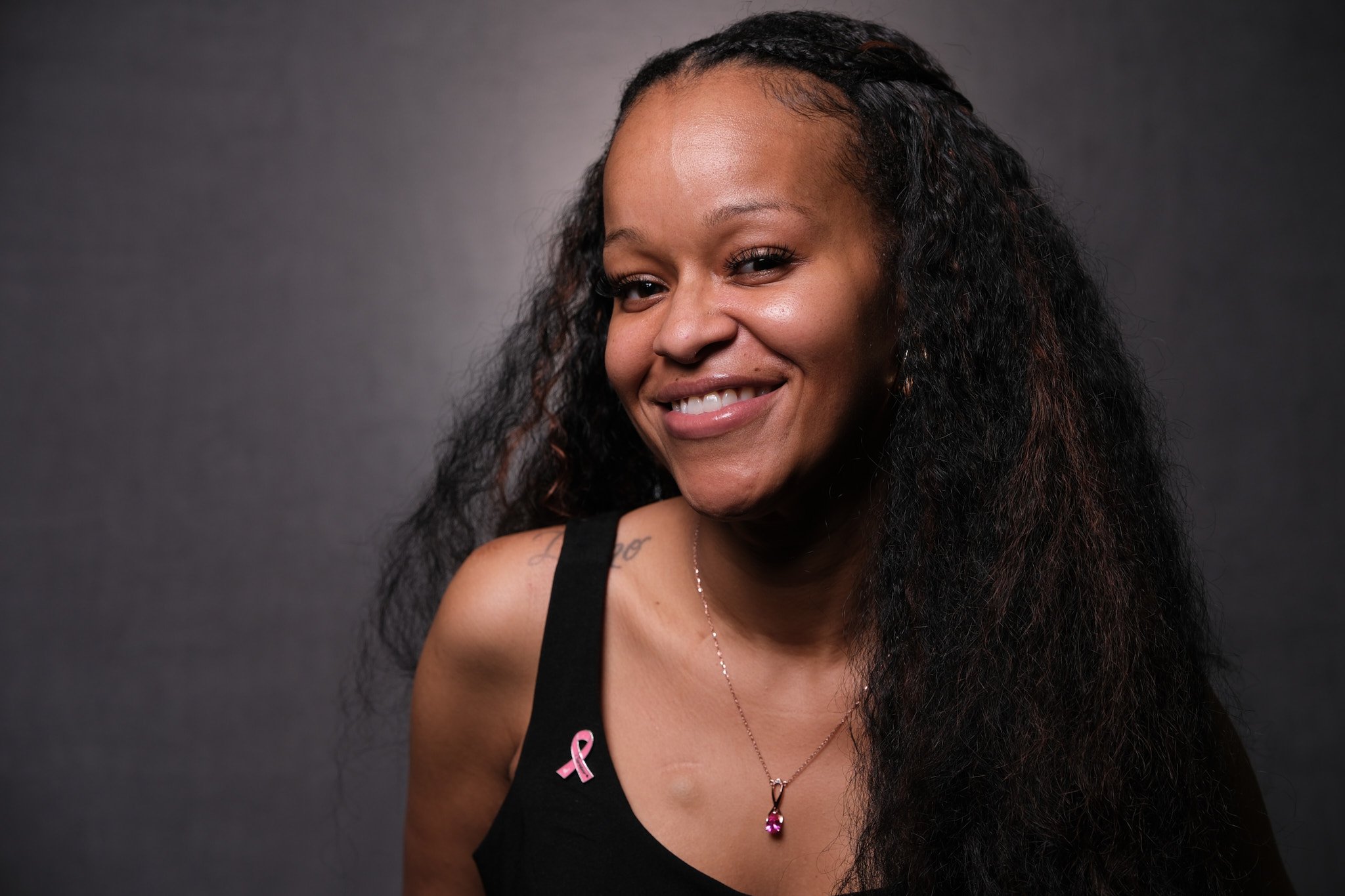
Jeanelle Adams
Jeanelle is a stage 3 triple-negative breast cancer survivor, patient advocate, community builder, and mother who uses her online platform to provide resources and support for individuals navigating diagnosis, treatment, and survivorship.
As a yoga enthusiast, she works to raise awareness around life after treatment through rehabilitation, movement, and lymphedema education. She is currently living with breast cancer-related lymphedema and continues to attend lymphedema therapy after having to advocate for access to care that was not initially explained or offered as part of her recovery.
Janelles shares “Lymphedema therapy has played a vital role in helping me better understand changes in my body and address early symptoms such as tightness and reduced range of motion, giving me tools to manage my risk and protect my long-term function after treatment.
Advocacy matters to me because no patient should have to fight to be believed, supported, or properly cared for while facing cancer.”
-
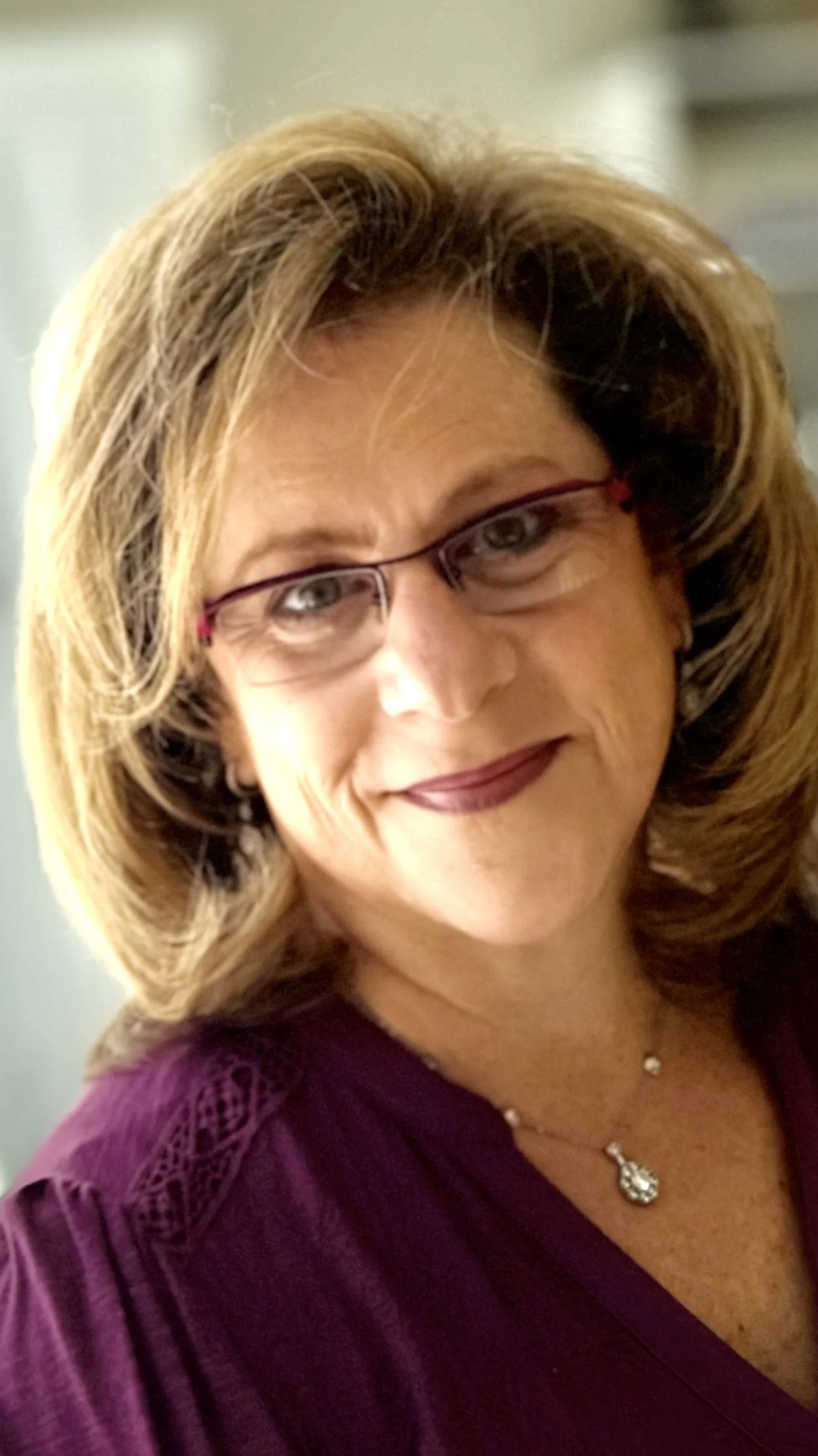
Betty Dicker
Betty is a BRCA2 previvor of ovarian cancer and a survivor of breast, pancreatic, and melanoma cancers. She lives in Northern New Jersey with her husband, an OB/GYN, and is grateful to have their two daughters close by.
As a maternal–child health nurse and an International Board Certified Lactation Consultant, Betty has a lifelong commitment to women’s health and proactive wellness.
In 2010, after her sister was diagnosed with stage 1 breast cancer, Betty learned they both carried the BRCA2 mutation. At age 45, she chose prophylactic removal of her ovaries and fallopian tubes, entering surgical menopause.
Eleven years later, after the devastating and unexpected loss of her sister to stage IV cancer, Betty was diagnosed with DCIS. While preparing for a mastectomy, a preop CT scan revealed an incidental diagnosis of pancreatic cancer, shifting her immediate focus to chemotherapy and surgery. Nearly a year later, she underwent a double mastectomy with DIEP flap reconstruction.
Betty shares “Through all of this, occupational therapy was essential to my recovery. Breast Cancer Rehabilitation, and prehabilitation, restored my strength and range of motion, as well as my independence, confidence, and ability to fully embrace life again.
With my lived experience and deep passion for helping others, I’m committed to raising awareness about the importance of Breast Cancer Rehabilitation and advocating for women everywhere to have access to the care and resources that can help them regain independence, manage lasting side effects, and fully return to meaningful daily life.”
-
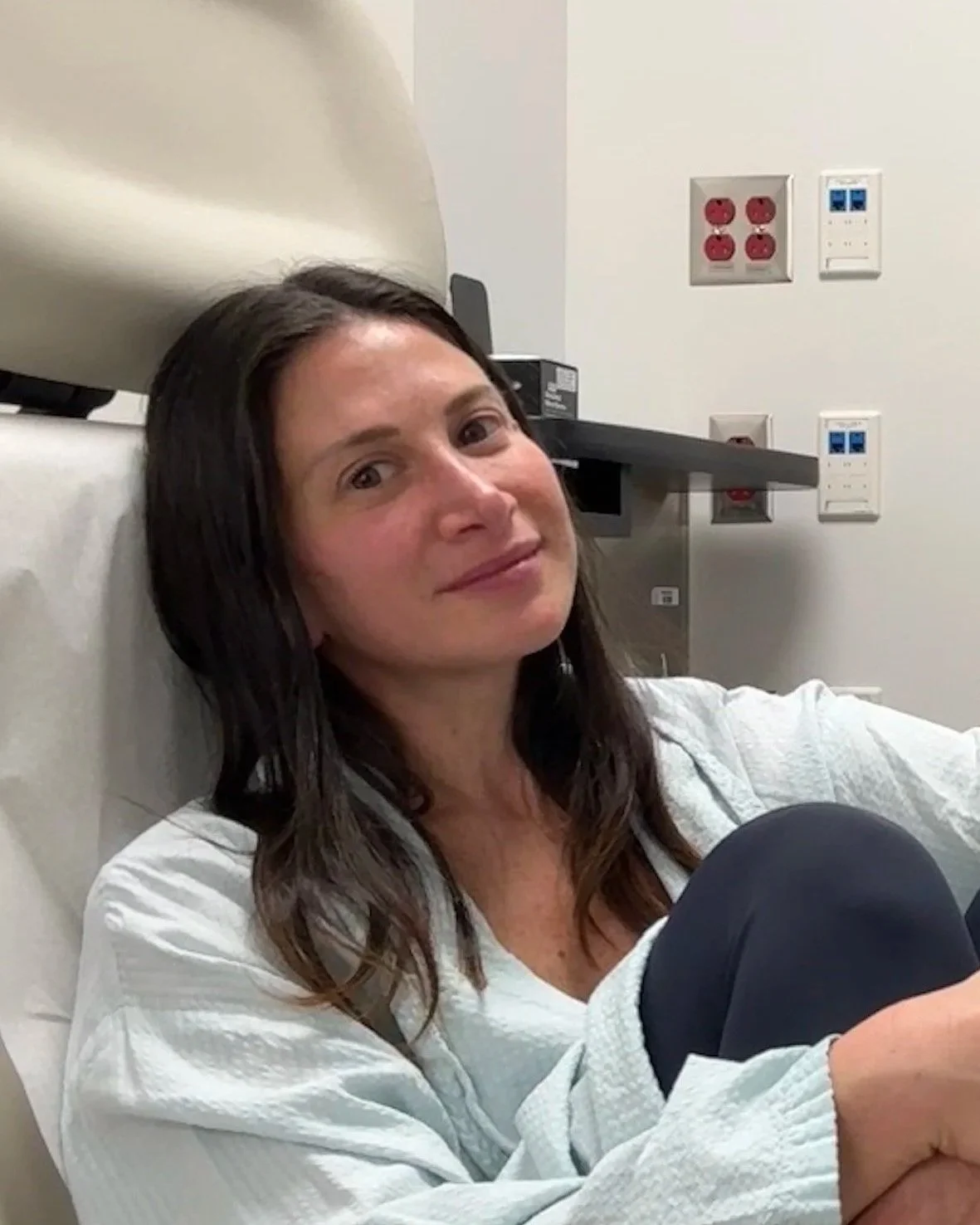
Janelle Einerman
Janelle was diagnosed with stage 2A triple-positive invasive ductal carcinoma (IDC) at age 39, when her twins were just five, and her life changed overnight.
Since then, she has undergone a double mastectomy with tissue expanders, chemotherapy, radiation, immunotherapy, and an expander-to-implant exchange, and she continues ongoing endocrine therapy with Lupron injections and exemestane.
Throughout it all, Janelle has remained committed to living an active, full life with her husband and children. She loves to run, ride her Peloton, and strength train, and movement has been a critical part of her healing, not only physically, but mentally, helping her rebuild strength, resilience, and confidence after cancer.
Janelle shares “Breast Cancer Rehabilitation and Lymphedema Therapy made a huge difference in my recovery. However, I had to advocate to receive this care after my symptoms were downplayed by my healthcare team.
Advocacy matters to me because I’ve lived the gaps in the system. I am passionate about sharing my experience and supporting others as they navigate life during and after treatment.”
-
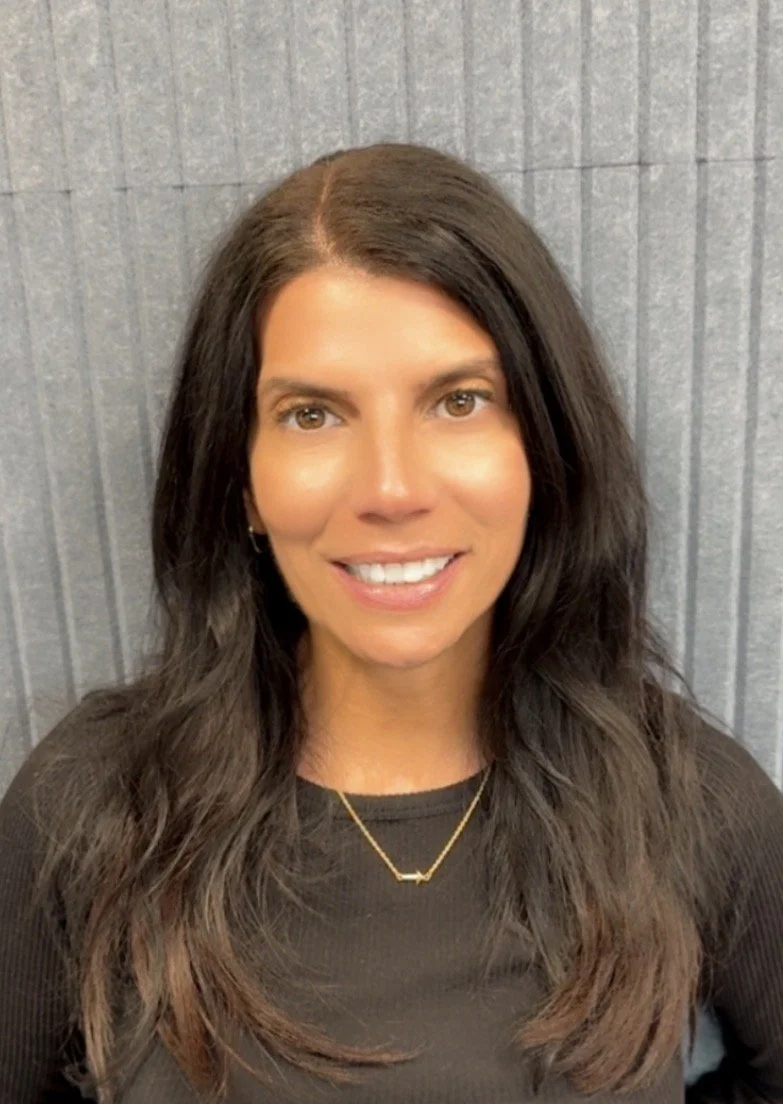
Carmela Tufano
Carmela is a breast cancer survivor and mother of two boys who somehow grew into young men in the blink of an eye. She lives in Long Island, New York with her loving husband of 27 years.
As a school social worker and psychotherapist, Carmela supports children and families through both challenging and triumphant seasons. Her career has grounded her in empathy, resilience, compassion, and perspective.
On June 17, 2025, the night before she was scheduled to attend her son’s college acceptance day, Carmela learned through her patient portal that she had breast cancer. In an instant, everything shifted.
Since that night, her life has been a whirlwind of biopsies, scans, genetic testing, bloodwork, countless appointments, a lumpectomy, and ultimately a bilateral mastectomy. She is currently living with expanders as she awaits reconstruction surgery. It has been a journey marked by fear and vulnerability, but also strength and deep appreciation for her family, friends, and medical providers.
Carmela shares “Working with physical therapists who specialize in Breast Cancer Rehabilitation has been such an important part of my healing process. After my mastectomy, I couldn’t raise my arms. Their expertise helped me regain my movement, strength, independence, and function.
That experience is what motivates me to advocate for others. Access to specialized care can make a significant difference in recovery, and I hope to help raise awareness about the importance of comprehensive support during and after breast cancer. Being seen, heard, and supported at every stage matters.”